Royal Arsenal History
  • Home
  • About RAH
  • RAH Tours registration
  • Standard Tour
  • Extended Tour
  • Support RAH
  • RAHistorical Vehicle Photos
  • Royal Arsenal Maps
    • 1700's Maps
    • 1800's Maps
    • 1900's Maps
    • Todays Maps
    • Map overlays
    • Maps unpublsihed
  • Royal Arsenal Timeline
  • Video Presentations - Secret City
  • Royal Arsenal Blog / Forum
  • Overview
  • Royal Arsenal West - Woolwich
  • Royal Arsenal Departments
  • Building numbers, Photos & Maps
  • Royal Arsenal Buildings & Photos
  • Royal Arsenal Railway
  • Woolwich (Video Archive)
  • Woolwich
  • Royal Arsenal East - Thamesmead
    • Ghost Storys from Thamesmead
  • Berber (Thamesmead)
  • Thamesmead SE28 - A New Town (Video Archive)
  • Magazines (Tumps)
  • Royal Arsenal Football
  • Royal Arsenal Rules
  • Royal Arsenal Firepower - Guns
  • Royal Arsenal Explosions
  • Royal Arsenal Site Development
  • Royal Arsenal Archaeology
  • Royal Arsenal Piers
  • Canal, Lock, Dock & Swing Bridge
  • Woolwich Arsenal Prison Hulks
  • Royal Arsenal Wasteland (East)
  • Royal Arsenal Bombs and Dropped
  • Royal Arsenal Bullets
  • Royal Arsenal Women Workers
  • Filling Factories
  • Royal Ordnance Factories (ROFs)
  • Royal Arsenal Employee's
  • Housing the Workers
  • Police and Fire Brigade
  • Royal Arsenal Telephone Exchange
  • Royal Arsenal Transport
  • Royal Arsenal Paymaster
  • Royal Arsenal Medical - Surgery
  • Life in the Royal Arsenal
  • Royal Arsenal Then and now
  • Project Hurricane (Atomic)
  • Royal Arsenal Stories
  • R.O.F.S.A Sports
  • Royal Arsenal and the Final Years
  • Crossness (East)
  • Royal Arsenal Photos by year
  • The Royal Arsenal Marshes
  • Regiment of Artillery
  • Royal Dockyards
  • Prison Hulks
  • Architecture
  • Artifacts
  • Reprographics Department
  • Family Royal Arsenal research
  • After Royal Arsenal closure
  • Thamesmead Street History
  • Royal Arsenal Co-operative Society (RACS)
  • The Berkeley Group PLC - Royal Arsenal
  • RA Researchers required
  • Research text search
  • Did you know?
    • Martello Towers
  • Tour booking form
  • School Projects
  • RAWHS Membership
  • Upload History files here
  • About RAH
  • Contact
  • About

Thamesmead History

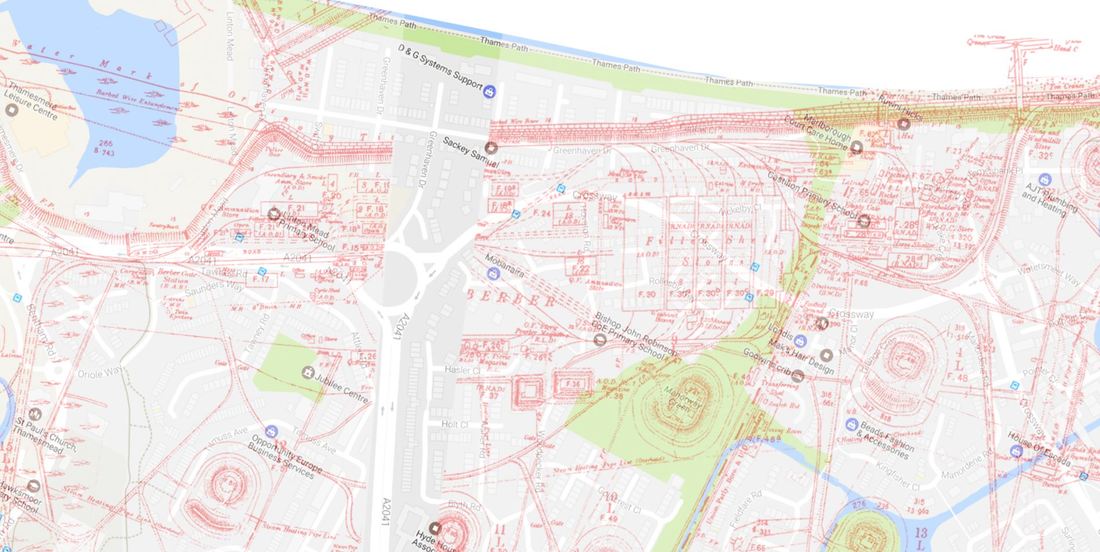
PictureWhat was here before Thamesmead? 1918 WW1 Map with overlay of todays structures, roads, waterways and houses. Click file below to zoom

royal_arsenal_map_1918___2018_-_copyright_royal-arsenal-history__rah__-_ian_bull_precision_engineering.jpg
File Size: 8445 kb
File Type: jpg
Download File

Picture
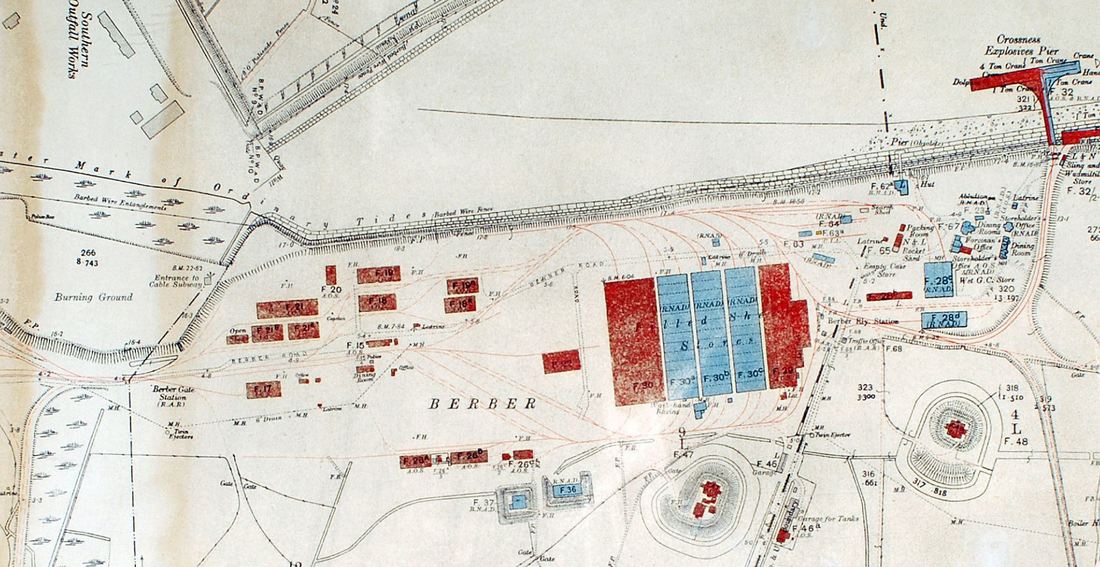
1918 - WW1 Royal Arsenal Secret map - to zoom in click download file below
1918 - royal_arsenal_map_1918_copyright_royal-arsenal-history.jpg
File Size: 24279 kb
File Type: jpg
Download File

ORIGINS OF THAMESMEAD STREET NAMES: A-Z


This list was compiled with the help of the Bexley Local Studies and Archive Centre. Their research was limited to reference stock including Chambers Biographical Dictionary, Concise Cambridge Bibliography of English Literature, Encyclopedia Britannica, Everyman’s Encyclopedia, Pears Encyclopedia and Who’s Who 1974.


Additional information was researched by Trust Thamesmead in May 2008 (with a little help from Google). Whilst every effort has been made to ensure accuracy neither Bexley Council nor Trust Thamesmead can be held responsible for any inaccuracies.

Royal Arsenal overlay compiled by Steven Peterson


A.


Applegarth Road 
Robert Applegarth 1834 -1924. Trade unionist and first Secretary Amalgamated Society of Carpenters. Helped form London Trades Council in 1860. In 1898 he took up poultry farming in Bexley and introduced a new breed of hen from France.
Picture
Picture
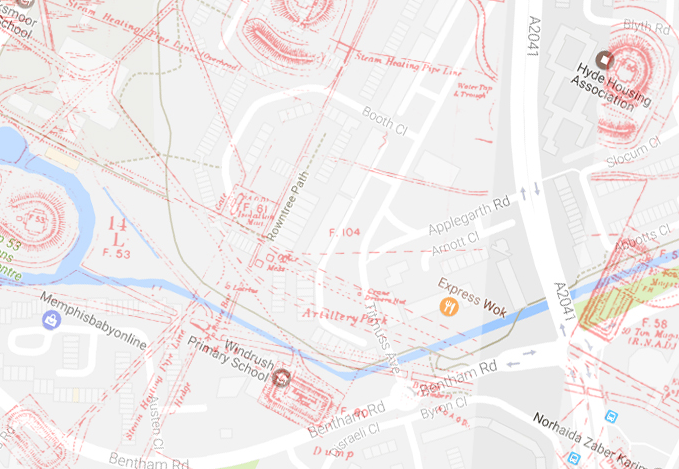
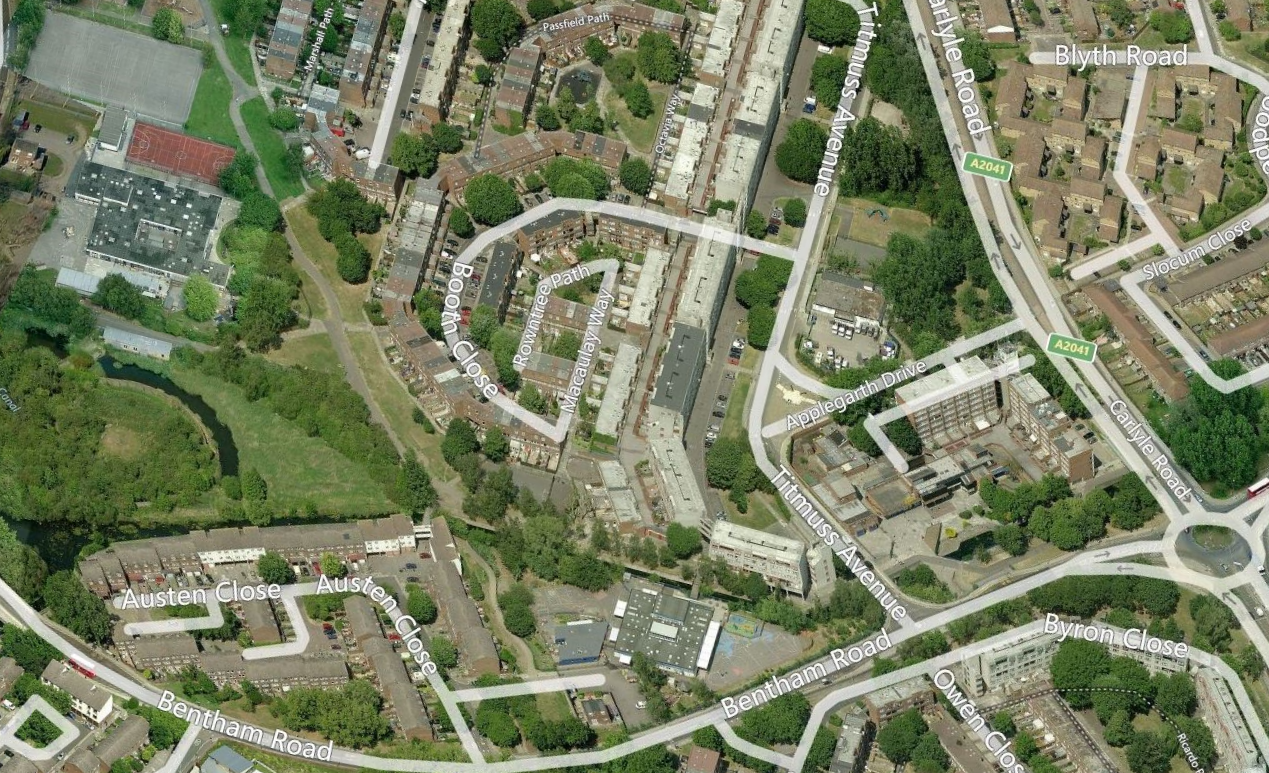
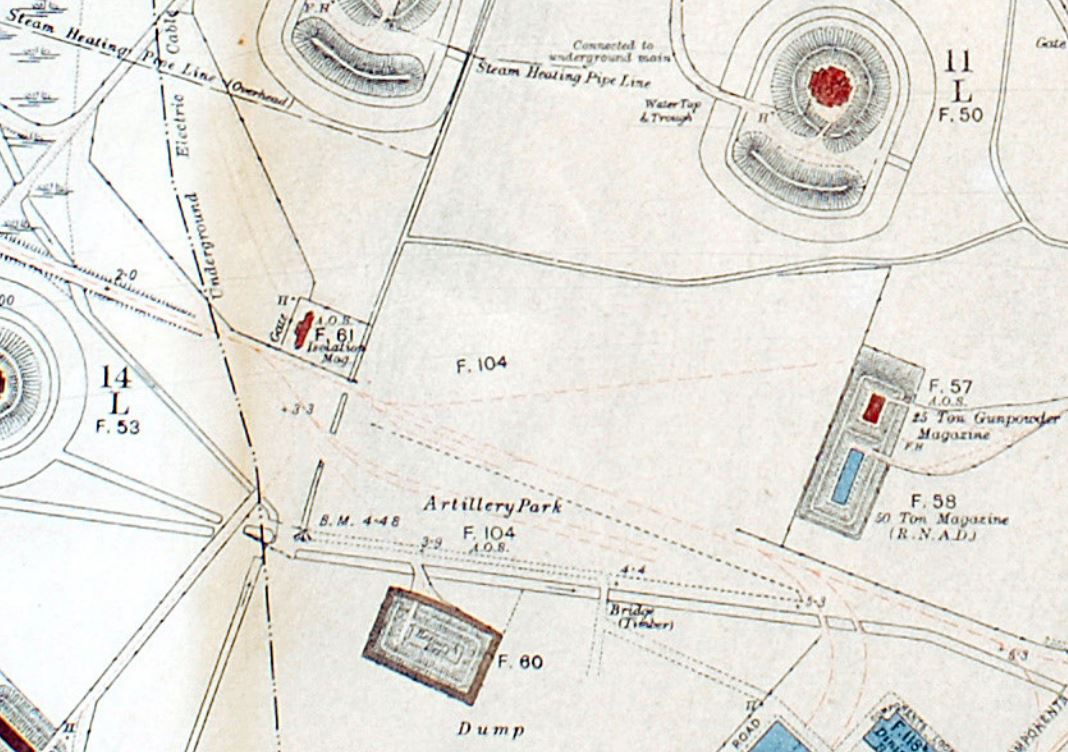
Area Before Thamesmead Gogi's, Shops. Royal Arsenal
Picture
Thamesmead Street Location.
Tump 53, Magazine F53 - Explosives Magazine storage of Cordite.
Arnott Close / Gogi's F104
Rowntree Path - F61 Isolation Magazine.
Windrush Primary School/Bentham Road - F60 Research magazine and Timber bridge
Titmus Avenue - Artillery Park & - F51 - No 12 Magazine Bulk Cordite
Passfield Path - F51 - No 12 Magazine Bulk Cordite
Abbotts Close - F57 - 25 ton Gun Powder Magazine (RNAD - Royal Naval Armament Dept) 
Boiler House location F58 - 50 ton Gun Powder Magazine (RNAD - Royal Naval Armament Dept) 
​Arnott Close
Dr. Neil Arnott 1788-1874. Physician, inventor, natural philosopher, public health reformer, inventor, patentee, lecturer and author
​
Royal Arsenal Area F104

Attlee Road
Clement Attlee 1883-1967. Labour Prime Minister 1945-1951

​
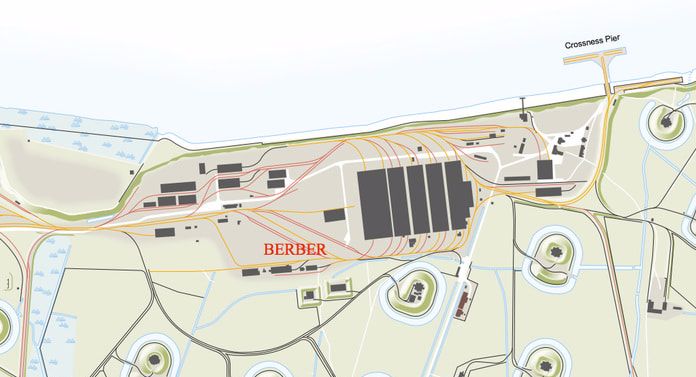
Royal Arsenal location known as "Berber" 

The Suakin-Berber railway in Sudan was a short-lived military project that never reached completion. Its construction began in February 1885, being intended to provide a connection between Berber on the River Nile and Suakin on the Red Sea littoral for the rapid deployment of troops and military equipment in Britain’s involvement in the Mahdist war.
In May 1885, after barely three of months of work during which only 20 of the intended 280 miles of track had been laid, at a cost approaching £1 million, Britain suspended its war with the Mahdi, pulled out of the Sudan and terminated the Suakin-Berber railway.

The railway track was brought back and used in the Royal Arsenal.

Royal Arsenal Locations 

F15, F17, F18, F19, F20, F21, F22, F23, F24, F26, F28, F30, F32, F62, F63, F64, F65, F67, F68

Thamesmead Street area's near Berber:
​
A2041 - Dinning room, Cycle sheds, Offices, road and railway line.
​Attlee Road - F26 Area
Linton Mead Primary School, F18, F20, F21 area
Tawney Road - Berber Gate Station (Royal Arsenal Railway) / Carpenters Shop - F17 Area
Beveridge Court - Berber Gate Station (Royal Arsenal Railway) - F17 Area
Saunders Way - Berber Gate Station (Royal Arsenal Railway) - F17 Area
Greenhaven Drive - F18, F19, F29, F30 area
Hasler Close - F26 area
Holt Close - F37 area
Hoverton Road - F24 area
​Bertrand Way - F22 area
Rollesby Way - F29, F30 area
Nickelby Close - F29, F30 area
Fantail Close - F30 Area
Castilion Primary School - ​F62, F63, F64, F65 area
​Manor Close - Football Ground nearby
​Drake Close - F28, F67
Copperfield Road - F67
Thamesbank Place F67, F23, F32
Bishop John Robinson Primary School - F36, F.47 (Magazine)
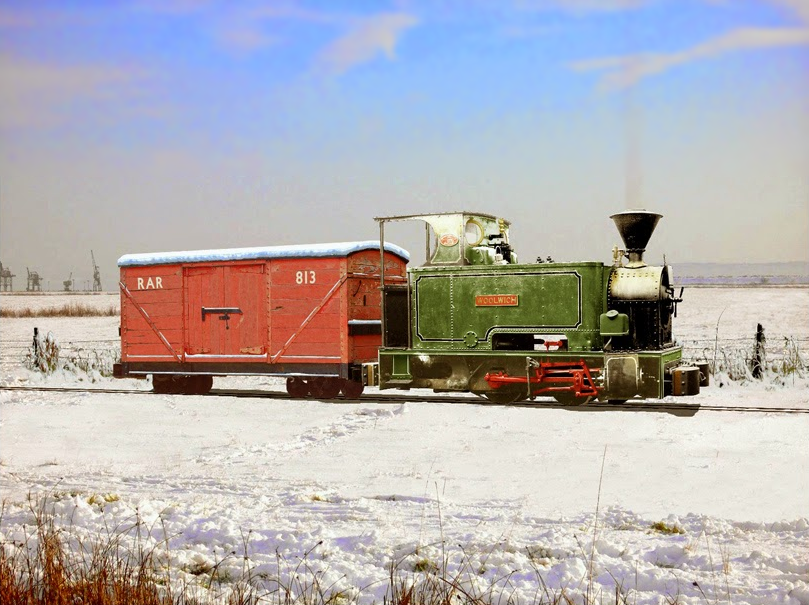
Magazine/Tump Locomotive
Locomotive and powder wagon on route to Magazine. (Thamesmead East near Crossness) Photo generation by Ian Bull
Picture
Picture
Picture
<body> <p>This page uses frames, but your browser doesn't support them.</p> </body>
Royal Arsenal Area Department Description Thamesmead Street area
F17 A O S Empty small arms ammo boxes, Berber Gate Station Beveridge Court, Tawney Road
F18 A O S Fuze & Tubes store Greenhaven Drive
F18/A A O S Fuze Store Greenhaven Drive
F19 A O S Fuze Store Greenhaven Drive
Bld F19/A A O S Misc Store Greenhaven Drive
F20 A O S Rocket Store Linton Mead
F21 A O S Fuze & Tube store Linton Mead
F21/A A O S Fuze & Tube store Linton Mead
Bld F21/B A O S Empty Package Store Linton Mead
F21/B A O S Wheel Store (shed) Linton Mead
F22 A O S Rocket sticks & cartridge cases,  Drygun cotton store Bertrand Way
F23 R N A D Ablutions Room Thamesbank Place
F24 R N A D Burning ground Hoverton Road
F25 R N A D Washing out shop  
F26 R N A D   Hasler Close
F26/A A O S Bomb store Hasler Close
F26/B A O S Ammonium Nitrate store Hasler Close
F26/c A O S Smoke Ammo Store Hasler Close
F27 A O S    
F28 R N A D Mag Admin office Drake Close
F28/B A O S Wet Gun cotten store Drake Close
F28/C R N A D Filled shell boxed store Drake Close
F28/D R N A D Empty mine store Drake Close
F29 A O S Q F Cartridge store & Railway Truck Mounting store Nickelby Close
F30 A O S Railway mounting & filled shell store Rollesby Way
F30/A R N A D Empty mine store & painters shop Rollesby Way
F30 /B R N A D Filled shell loose store Fantail Close
F30/C R N A D Empty shell store Fantail Close
F31 W D C Section house (police) Harrow Manor way  
F32 R N A D Crossness Ammunition Pier Dolphin Thamesbank Place
  A O S And Wharf Thamesbank Place
F32/1 A O S Crossness Wharf Thamesbank Place
F32/2 A O S Sling Wadmiltilt Store Thamesbank Place
F32/3 A O S & Offices Thamesbank Place
F32/4 R N A D Sling & Wadmiltilt Store Thamesbank Place
F32/5 A O S Sling Store Thamesbank Place
F36 R N A D Firework store Bishop John Robnson 
F37 R N A D Smoke Ammo Store Holt Close
F62 R N A D Ware heads Magazine Castilion Primary School
F62/A R N A D Mine Cables Castilion Primary School
F63 R N A D Ablutions &Cloak Room Castilion Primary School
F63/A Insp ( I G A ) Fore-mans Office Castilion Primary School
F64 R N A D Transfer Dock & Transhipping Shed Castilion Primary School
F65 A O S & M C S Inspection & Packing Rooms Castilion Primary School
F67 R N A D Storeholders Office and Wharf foremans supervisors Drake Close, Copperfield Road, TB
More Berber History here 
The below Streets will be updated with Royal Arsenal information 

Austen Close
Jane Austen 1775-1817. English novelist whose books, set amongst the English middle and upper classes, are notable for their wit, social observation and insights into the lives of early 19th century women.


B.


Bentham Road
Jeremy Bentham 1748-1832. Philosopher and social reformer. Considered to be the spiritual father of University College London (UCL). His mummified body or ‘auto-icon’ can be seen in a wooden cabinet at the end of the South Cloisters of UCL’s main building


Besant Court, Titmuss Avenue
Annie Besant (née Woods) 1847-1933. British social reformer, campaigner for women's rights and a supporter of Indian nationalism


Beveridge Court, Saunders Way
William Henry Beveridge 1879-1963. British economist. His report on Social Insurance and Allied Services (1942), known as the ‘Beveridge Report’, formed the basis of the welfare state in Britain


Binsey Walk                    
Binsey is a village near Oxford. The name most likely derives from Byni's island, which was in the nearby Thames. It belonged to St Frideswide's Priory and subsequently Christ Church became the major landowner. It survives as a predominantly small, agricultural settlement within the Green Belt and flood plain to the north-west of Oxford
  
Blewbury House, Yarnton Way
Blewbury is a village about 50 miles (80 km) west of London and about 14 miles due south of Oxford. Some springs feed a small lake known as the Watercress Beds, for the unsurprising reason that watercress used to be cultivated there.
From here and elsewhere tributaries feed the Mill Brook which carries the water to the Thames at Wallingford. Blewbury Mill on this Mill Brook is said to be where blotting paper was discovered


Booth Close
William Booth 1829-1912. Founder of the Salvation Army


Bright Court, Byron Close
John Bright 1811-1889. Radical Quaker and celebrated political orator, who believed in free trade, opposed the Crimean War and the American Civil War. Campaigned for the abolition of capital punishment and political freedom for Jews


Buckwheat Court, Holstein Way        
Buckwheat is a crop. A species of Polygonum. In Europe the seed is used for animal feed. In North America the seeds are ground into meal and used to make buckwheat cakes       


Byron Close
Lord George Byron 1788-1824. English poet and a leading figure in Romanticism. Among Lord Byron's best-known works are the narrative poems Childe Harold's Pilgrimage and Don Juan. He is regarded as one of the greatest European poets and remains widely read and influential, both in the English speaking world and beyond


C.


Campion Close
St Edmund Campion 1540-1581. Jesuit and martyr


Carlyle Road
Thomas Carlyle 1795-1881. Political writer, essayist and journalist
  
Chadwick Court, Titmuss Avenue
Sir Edwin Chadwick 1800-1890. Devised the legislation that dragged British sanitary science out of the dark ages and into the light of modern times


Clewer House, Wolvercote Road
Clewer is a village near Windsor in Berkshire. www.clewervillage.co.uk


Clydesdale House, Kale Road
The Clydesdale Horse is the pride of Scotland and is a native breed which was founded in Lanarkshire, Clydesdale being the old name for the district. The history of the breed dates back from the middle of the 18th century


Cobden Court, Byron Close
Richard Cobden 1804-1865. Economist and politician.
Formed the anti-corn law league (which opposed the artificial control of the price of corn) and was influential in the eventual repeal of these laws in 1846


Cole Close
Dame Margaret Isabel Cole (née Postgate] 1893–1980. Socialist, political activist and author. With her husband, George Douglas Howard Cole she established the Society for Socialist Inquiry and Propaganda (1930) and the New Fabian Research Bureau (1931). In addition to works on politics, economics and Labour history she and her husband jointly wrote twenty-nine detective novels.


Coralline Walk
Overlying rock in the Thames Basin (Calcareous, like coral). Coralline Rock is a type of rock formed by the death of layers of Coralline algae. It is visually quite bright like the algae, and is often desired as aquarium decoration. Since it is formed from the dead algae, it contains some nutrients and calcium carbonate, which has allowed it to be used in some building structures


Cross Court, Titmuss Avenue
Richard Assheton Cross, 1st Viscount, 1823-1914. British statesman responsible for the first urban renewal authorisation in Great Britain, the Artisans' and Labourers' Dwellings Improvement Act (generally known as the first Cross Act) of 1875


D.


Dexter House, Kale Road
Dexter cattle are a minority breed of cattle and until fairly recently were considered as a rare breed. They are the smallest native breed, and originated in the South of Ireland in the 1800s as an ideal "cottager's cow", producing plenty of milk for the house and a calf to be reared for beef each year


Disraeli Close
Benjamin Disraeli 1804-1881. British statesman and novelist. Provided the Conservative Party with its policies of popular democracy and imperialism. Became Prime Minister in 1868


Duxford House, Wolvercote Road
Duxford village, in South Cambridgeshire, has a population of 2,491 (2001 census). The best-known local landmark is the Imperial War Museum Duxford, Europe's premier aviation museum, which also has one of the finest collections of tanks, military vehicles and naval exhibits in the country. This famous heritage site began as an airfield in the First World War and also played a vital role in the Second World War, first as an RAF fighter station and later as an American USAAF fighter base. Its exhibits include one of the two British assembled pre-production Concordes, a Junkers Ju-52, a B-29 Superfortress and the famous 'Sally B' B-17 Flying Fortress, star of the motion picture 'Memphis Belle'. Duxford village boasts a 14th Century chapel, built for travellers under the order of John the Baptist, two historic 12th Century churches


E.


Epstein Road
Sir Jacob Epstein 1880-1959. Artist and sculptor. Arguably the most important British sculptor of the early twentieth century. He was influential in reintroducing direct carving into Britain, as well as encouraging public interest in African and Asiatic art. The controversy surrounding his public monuments made sculpture a matter of national debate


Evenlode House, Coralline Walk
The River Evenlode, a tributary of the Thames, was immortalised in verse by Hilaire Belloc, but parts of his 'perfect' and 'tender' waterway, his 'lovely river, all alone', have been environmentally scarred by man’s dredging. Now the UK’s oldest fishing club Red Spinners Angling Society has helped the Environment Agency return the river to something approaching its former glory


G.


Galsworthy Close
John Galsworthy 1867-1933. Author, received the Nobel Prize for Literature in 1932


Garside Close
Mair Garside. Member of the GLC/ILEA 1970-1986. Deputy Leader of the ILEA 1974-1981. Very involved with the planning of Thamesmead schools (Greenwich side); 1981-1986 Chair of the Thamesmead Advisory Group; currently serves on the Trust Thamesmead Board of Trustees (2008)


H.


Hailey Road
Hailey is a small village in West Oxfordshire, near Witney, the largest town in West Oxfordshire. Witney has long history in the blanket trade. This ended with the closure of Early's Blankets in 2002, a company that had been in business for more than 300 years. The town is situated on the banks of the River Windrush which was vital for powering the blanket industry with the use of water mills


Hammond Way
John Lawrence Le Breton Hammond 1872-1949. Social and industrial historian, prolific author, journalist


Harlequin House, Kale Road
The Harlequin Duck (Histrionicus histrionicus) is a small, relatively uncommon sea duck. It gets its English name from characters in Italian comedy who wear masks and have oddly painted costumes. The colourful male, or drake, is one of the most attractive of sea ducks


Harold Wilson House, Arnott Close
Harold Wilson, Baron Wilson of Rievaulx 1916-1995. Labour leader in 1963.
Served as Prime Minister from 1964-70 and 1974-76


Harrow Manorway
The Harrow public house is mentioned in a description of the hamlet of Abbey Wood in the late 1860s when it was one of the very few buildings. It is at the junction of Abbey Wood Road with Wilton Road. ‘Manor Way’ is a common name for roads that cross marshes


Hartslock Drive
Hartslock is an area on the north side of the Thames between Whitchurch and Goring-on-Thames, Hartslock Nature Reserve is owned by The Wildlife Trust for Berks, Bucks & Oxon. It’s a beautiful south facing, chalk downland hill with stunning views over the Thames and Goring Gap region


Hazlitt Court, Byron Close        
William Hazlitt 1778-1830. Born in Maidstone. Political journalist, critic and humanist essayist


Hibernia Point, Wolvercote Road
Hibernia, lower boat of Eton College boat club


Hinksey Path
North and South Hinksey are villages in Oxfordshire. The name Hinksey is Anglo-Saxon, dating from the thirteenth century. It probably derives from Hengestesieg meaning Hengist’s Island or Stallion’s Island


Holstein Way
Holstein is a breed of dairy cattle from northern Holland


Hutchins Road
Ray Hutchins, former Trust Thamesmead trustee and member of Thamesmead Town Ltd


J.


Jacob House, Kale Road
The Jacob is an ancient (primitive) domestic multi-horned breed of sheep


Joyce Dawson Way
Wife of Jim, one of the original Thamesmead residents and Councillor for Thamesmead East, London Borough of Bexley
K.


Kale Road
Kale or Borecole is a form of cabbage (Brassica oleracea Acephala Group), green in colour, in which the central leaves do not form a head. It is considered to be closer to wild cabbage than most domesticated forms


Kay House, Arnott Close                                 
Sir James Phillip Shuttleworth-Kay 1804-1877.
Added “Shuttleworth”, his wife’s name, to his when they married in 1842. Founder of the English system of education. Co-founded first training college for school teachers


Kingsley Court, Byron Close                
Charles Kingsley 1819-1875. Writer and rector. Co-founder of the Christian Socialist Movement. Keen children’s writer; author of ‘The Water Babies’ in 1862


 L.


Lansbury Court, Saunders Way
George Lansbury 1859-1940. Labour pioneer, leading pacifist, Christian Socialist, tireless campaigner against poverty, and Leader of the Labour Party between 1932 and 1935. The historian AJP Taylor called him, ‘the most loveable figure […]


Lensbury Way
Lensbury Rowing Club has a boathouse at Richmond Road between Putney and Kingston


Limestone Walk
A sturdy breed of sheep also known as the Silverdale or Warton


Lytton Strachey Path
Lytton (Giles) Strachey 1880-1932. Writer and member of the Bloomsbury set.
He famously said on his deathbed: 'If this is dying, then I don't think much of it.'


M.


Malthus Path
Thomas Malthus 1766-1834. Economist best known for his hugely influential theories on population growth


Mangold Way
A beet with a large yellowish root; grown chiefly as cattle feed


Manning Court, Titmuss Avenue
Henry Edward Manning 1802-1892. English Roman Catholic Cardinal. Member of the Royal Commission on the Housing of the Poor and their Education


Maplin House, Wolvercote Road
The Maplin Sands are mudflats on the northern bank of the Thames estuary, off Foulness Island, near Southend-on-Sea in Essex, England. They are valuable as a wildlife reserve, with a large colony of dwarf eelgrass (Zostera noltei) and associated animal communities. A screw-pile lighthouse was built on the sands in 1838, which was possibly the world's first. In the 1960s a plan to build a third major airport for London on the sands was considered, but rejected in favour of a cheaper plan to enlarge Stansted Airport. The Maplin Sands were at that time, and remain, a military testing ground belonging to the Ministry of Defence


Maran Way
The Maran chicken was one of the last breeds to be introduced to the UK. It was developed in France in the town of Marans in the mid 1800s. It was developed for both its meat and eggs. The eggs started to be imported to the UK by a London wholesaler. The dark brown eggs soon caught on and became very popular which led to English farmers breeding the Maran


Masham House, Kale Road
A breed of sheep. The Masham (Teeswater Ram cross Dalesbred/Blackface Ewe) is predominately produced in the North of England


Mill Court, Titmuss Avenue
John Stuart Mill 1806-1873. Philosopher, political economist and social reformer who had a huge impact on 19th century thought


Muscovy House, Kale Road
A greenish-black, gooselike duck (Cairina moschata), having heavy red wattles and found wild from Mexico to northern Argentina but widely domesticated around the world for its succulent flesh. Also called the musk duck


N.


Nassau Path       
Nassau W. Senior (1790-1864). Critical essayist, classical economist and government adviser

Nathen Way


0.


Oakenholt House, Hartslock Drive
Oaken Holt, near Farmoor in Oxfordshire, is now a residential nursing home but from 1891 to 1900 was the estate of Sir William Wilson Hunter. He was a senior colonial administrator in India, author of that country's history and a friend of Kipling. Oaken Holt House sits at the top of a hill and commands breathtaking views of the open Oxfordshire country side and is flanked by the semi-ancient Wytham Woods


Osney House, Hartslock Drive
Osney is near Eynsham in Oxfordshire. The name derives from the Old English word for an island. Osney Abbey, one of the architectural glories of medieval Oxford, was founded in the West Oxford water meadows in 1129 and difficulties with drainage probably led to an extensive re-shaping of the site in the 13th century


The last but one abbot, John Burton complained in 1537 that "if he was to remain in such a damp place as Oseney his life would be shortened". After the dissolution of the abbey in 1539, the church briefly became the cathedral of the new Oxford Diocese in 1542 but the bishopric was transferred to Christ Church in 1545 and the abbey buildings were gradually quarried away; today, just a small portion of a 15th century waterside range survives above ground in Osney Marina


Owen Close
Robert Owen 1771-1858. Welsh social reformer, a pioneer of modern British socialism and a source of inspiration to the co-operative and trade union movements


P.


Passfield Path
Sidney James Webb, Ist Baron Passfield 1859-1947. Social reformer and historian


Penton House, Hartslock Drive
Penton Hook Lock is on the Thames near Laleham, Surrey. The lock cuts across a large loop or hook in the river, creating Penton Hook Island and was built partly to solve the problems caused by floodwaters bursting across this neck. There is a large marina in the disused gravel pits connected to this loop. The lock was originally the highest lock on the Thames controlled by the City of London, which is why the City's arms appear on the Lock Cottage built in 1814. At over 266 ft (81.28 metres) it is the third longest lock on the river


Portmeadow Walk
At 440 acres, Port Meadow is the largest area of common land in Oxford. Freemen and the Commoners of Wolvercote have grazing rights that are still exercised today. Port Meadow is bordered on the western edge by the Thames and for a large part of the year parts of the Meadow are flooded, bringing flocks of migratory birds. A burial ground can be found in the centre of the meadow and for these reasons the Meadow is both a SSSI and a scheduled monument


R.


Radley House, Wolvercote Road
Radley is located by the River Thames on the north-east edge of Abingdon about five miles south of Oxford. It is also the name of a college founded in 1847 by the Rev William Sewell, Fellow of Exeter College, Oxford


Raymond Postgate Court, Tawney Road
Raymond Postgate 1896-1971. Left wing historian and writer on food and wine


Redpoll Way
Red Poll cattle are a traditional British breed, native to East Anglia and originally formed by crossing the Suffolk Dun cow (a dairy type) and the Norfolk Red (which was beefier) in 1870. They are chestnut red (as in conker) coloured, and are born without horns which is why they are called red poll(ed) cattle. Once much used as a dairy cow, the breed has always been dual purpose which means that it produces both excellent milk and beef


Ricardo Path
David Ricardo 1772-1823. British political economist


S.


Saunders Way
Sir Alexander Carr-Saunders 1886-1966. Knight economist and educationist


Seacourt Road
A stream near the Thames in Oxford. The Seacourt Stream is probably an old course of the river which entirely bypasses Oxford, going through Hinksey and rejoining below Iffley Lock


Shaftesbury Court, Byron Close
Anthony Ashley Cooper, Earl of Shaftesbury 1801-1885
Philanthropist and reformer, led the movement for improving conditions in factories and collieries and, in the 1840s, argued for legislation to protect apprentice chimney-sweeps or ‘climbing boys’. To the end of his life, he worked for a great variety of causes which highlighted the sufferings of the underprivileged and helped to implement the concept of social welfare. His memorial was erected in Piccadilly Circus in 1893. Commonly known as 'Eros', the figure that crowns the monument actually represents 'The Angel of Christian Charity'


Shire Court, Redpoll Way
The Shire is a large powerful draft horse of a breed originating in central England, having long hair that grows from the knee and hock


Simon Court, Titmuss Avenue             
Sir John Simon 1816-1904. Pathologist and first Medical Officer of Health for London. Responsible for many sanitary reforms
Southwood Court, Arnott Close
Thomas Southwood Smith 1788-1861. Unitarian minister, physician and sanitary reformer


T.


Tavy Bridge
The River Tavy is in Devon. Tavy is also said to be the Devon name for the Thames


Tawney Road
Richard Henry Tawney 1880-1962. English Social and Economic Historian


Teeswater Court, Mangold Way
Teeswater sheep, indigenous as their name implies to Teesdale in the County of Durham, have for almost two hundred years been bred by farmers in that area of the North. In 1804 Teeswaters were sent to Tasmania from The Duke of Northumberland's Estate. Until the 1920's the breed was a comparatively rare one and was not found far from its native habitat, but now that the remarkable crossing qualities of the breed have been consistently improved and developed, Teeswater and Teeswater half-breds (Masham) are to be found in almost every part of the U.K


Tilehurst Point, Tavy Bridge
Tilehurst is a town near Reading. The name comes from old English 'tigelhurst' where 'tigel' means tile and 'hurst' means wooded hill


Timothy House, Kale Road
A crop. Any of several grasses of the genus Phleum, especially P. pratense, native to Eurasia, and P. alpinum, of North America, having a dense cylindrical inflorescence of compressed, one-flowered spikelets and widely cultivated for hay


Titmuss Avenue
Richard M Titmuss 1907-1973. Social Administrator and Author


Trefoil House, Kale Road
A crop. Any of various plants of the genera Trifolium, Lotus, and related genera of the pea family, having compound trifoliate leaves


Trewsbury House, Hartslock Drive
Trewsbury (Mead). A field three miles (4.8 km) south-west of Cirencester in the county of Gloucestershire. A tree stands here to mark the source of the Thames


W.


Wilberforce Court, Byron Close
William Wilberforce 1759-1833. Deeply religious English Member of Parliament and social reformer who was very influential in the abolition of the slave trade and eventually slavery itself in the British Empire


Wolvercote Road
The village of Wolvercote, on the north-west of Oxford, has a long history, and was mentioned in the Domesday Book. By 1821 there were 90 families living in 87 houses containing 493 people. The village has grown steadily since that time and although for all practical purposes it is almost a suburb of Oxford, it still remains essentially a village


Wyfold House, Wolvercote Road
A village near Reading. Also the Wyfold Challenge Cup for coxless fours was presented to the Henley Royal Regatta in 1847. In 1855 the trophy was made over to a four-oared race


Y.


Yarnton Way
A village in Oxford. It is possible that Yarnton is the oldest village in England though this is a claim shared with several hundred other villages. Certainly Yarnton has a reasonable claim as archaeological work in recent years shows that farming in Yarnton was taking place over 5,500 years ago on the Thames flood plain


​Help Keep RAH History Alive
Due to increased web hosting and storage costs, your donation will help cover the high costs of running the Royal Arsenal History website and fund new archival devices and digital storage. Please click the donate button below for options. 


To All Readers: We value accuracy and strive to provide reliable information. If you encounter any inaccuracies or broken links, please let us know; your feedback is appreciated! Contact us here with your suggestions.
​
Copyright Notice: All content on www.royal-arsenal-history.com is protected by copyright and belongs to their respective owners, unless otherwise stated. Any unauthorised use of material is prohibited.  ​A credit to royal-arsenal-history.com is required for any published related material. In some cases, we may request a donation to help maintain this website.


For permission or any issues, please contact the website administrator via this email link. ​

© www.royal-arsenal-history.com (2025)
Privacy policy ​